Blogs

Featured

Aykan’s Journey with Generative AI: Boosting Productivity through Innovative Solution
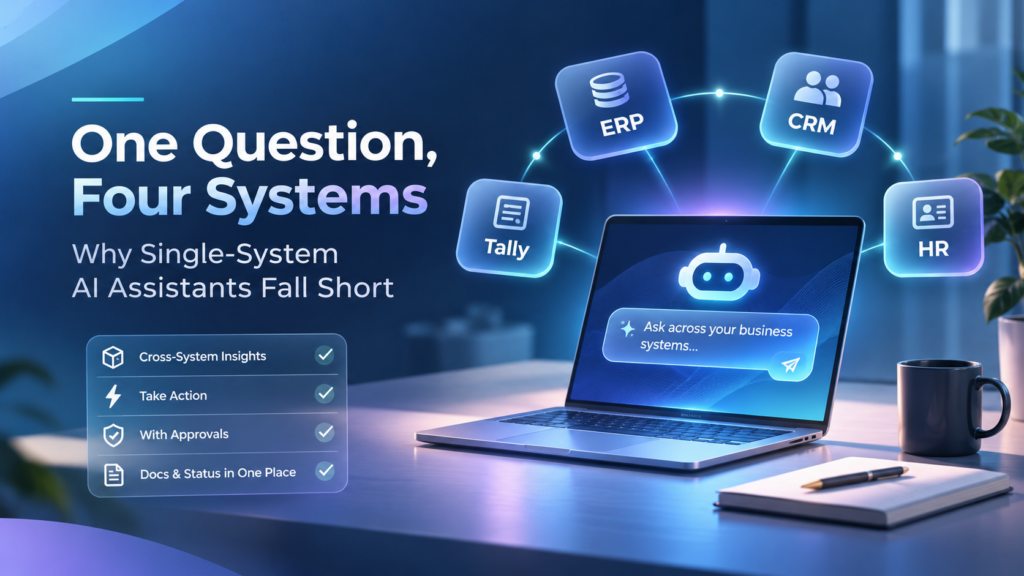
Picture the head of sales at a mid-sized manufacturer. Before a Monday review she types one question into the company's AI assistant: "Which distributors are low on SKU X, do we have open orders against it, and does production have capacity next week?" The assistant, built into the ERP, handles the open-orders part well. For the rest, it admits it can't see distributor stock or the production schedule.
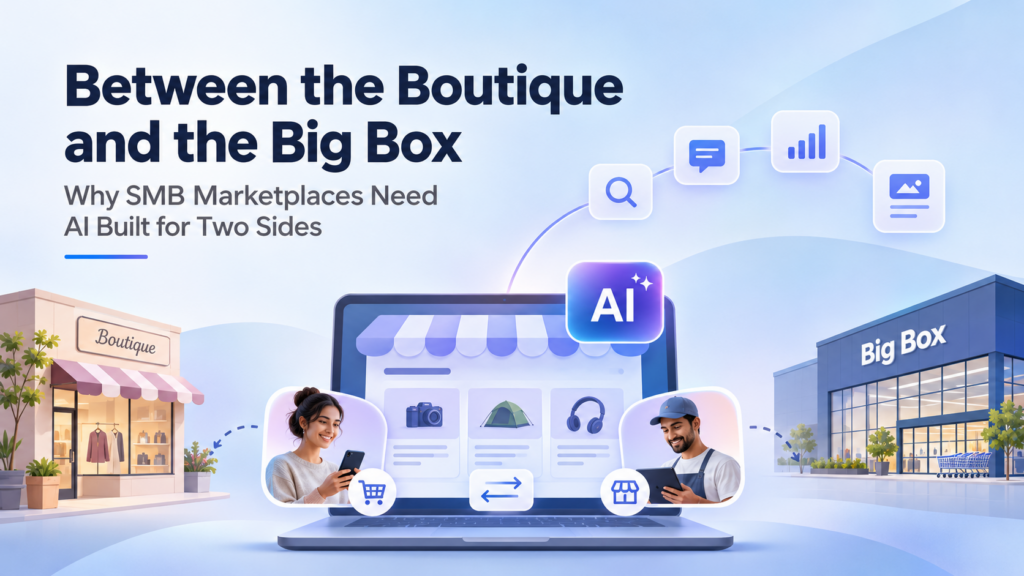
Walk through the AI aisle today and you'll find two kinds of products. On one side are enterprise AI platforms: powerful, but priced and built for large retailers with big teams. On the other are single-store tools, such as e-commerce plugins, which assume one seller with one catalogue.
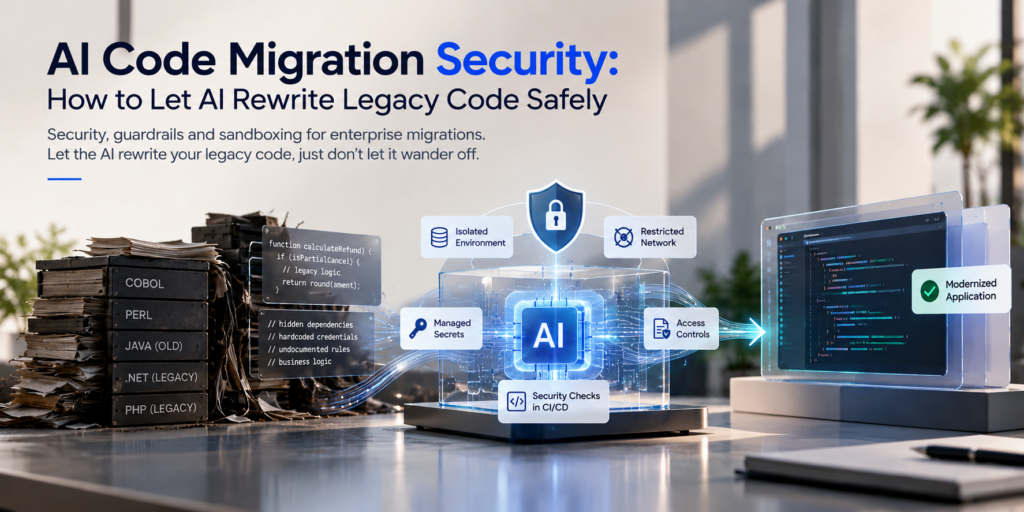
Here is an AI code migration story that should worry you more than any security breach headline. The new system compiles. Every test passes. The demo goes beautifully. Three weeks after go-live, finance notices that refunds on part-cancelled bookings are being rounded differently than they were for the last fifteen years. Nobody changed that rule on purpose. Nobody even knew it existed. It lived inside a tangle of old code, and the migration quietly dropped it.
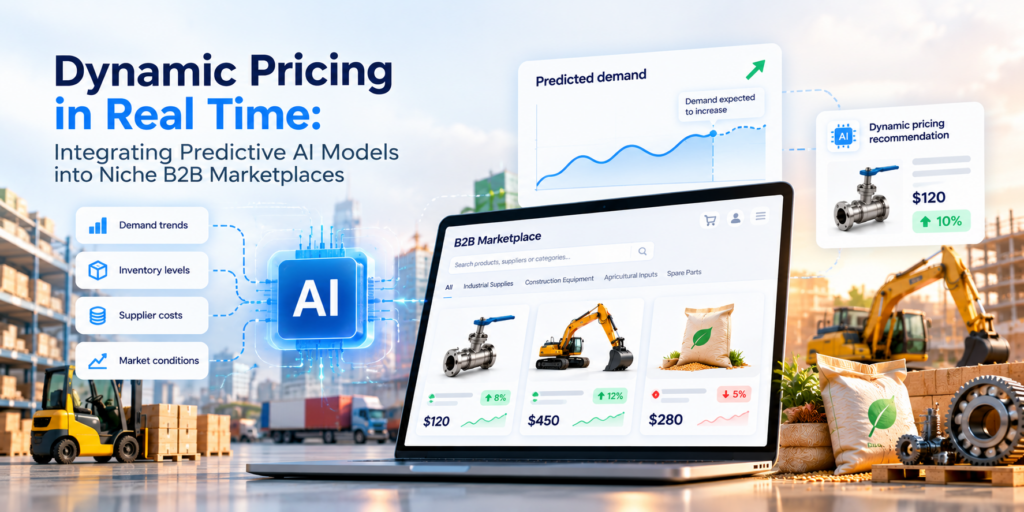
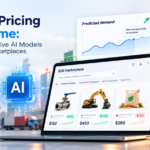
Imagine running a B2B marketplace for industrial equipment, agricultural supplies, specialty materials, or commercial rentals. On Monday, a buyer requests 500 units of a component. By Wednesday, demand for that component has increased, supplier inventory is running low, and delivery costs have changed. Yet your marketplace still displays Monday’s price.

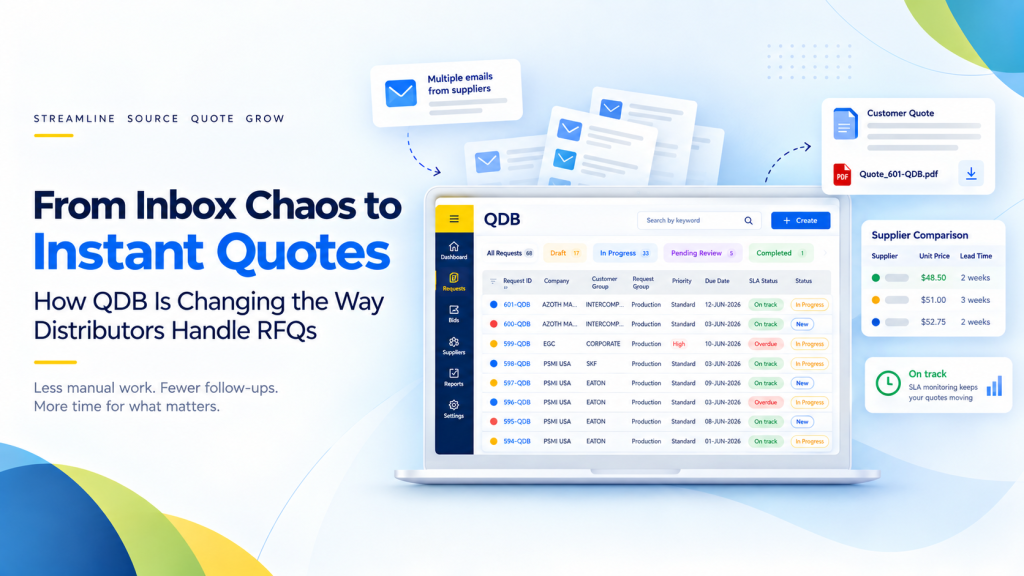
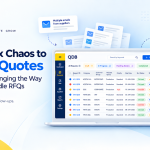
If you've ever worked in industrial supply, distribution, or B2B sales, you know the drill. A customer needs pricing on 200 line items by Friday. Half of them were quoted three months ago — somewhere. The other half need to go out to five different suppliers, and you're tracking all of it across email threads, a shared spreadsheet, and whatever sticky notes survived the week. Someone forgets to follow up with a supplier.
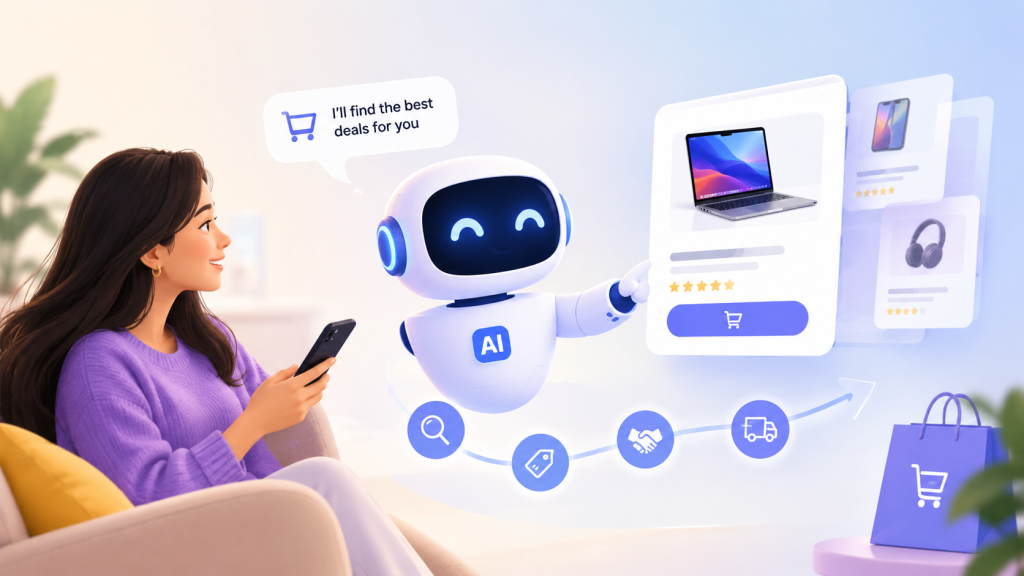
The way people shop is undergoing a fundamental transformation. What once required hours of browsing, comparing, negotiating, and decision-making is now being streamlined by a new class of intelligent systems: autonomous AI agents.