


Project - Introduction
Every organization, no matter its size or industry, experiences fluctuating resource needs throughout the project lifecycle. Some teams find themselves overwhelmed, searching desperately for niche skills on short notice. Others have highly capable staff sitting idle between projects, waiting to be utilized. At Resourced, we have lived through these pressures ourselves—as engineers, project managers, and business leaders—and we knew there had to be a better way. Our platform was created to directly address this imbalance by connecting companies that need talent with those that have talent to offer, creating a more stable and efficient resource ecosystem for everyone.
The idea for Resourced was born out of real-world frustration. Many industries face unpredictable demand for specialized skills, and traditional hiring processes are too slow, too costly, or simply not flexible enough to keep up. Meanwhile, organizations with bench strength or unutilized resources struggle to convert downtime into revenue. Resourced was developed to be that bridge—a dynamic, transparent, and tool-rich solution for sourcing, deploying, and managing resources in real time.
Resourced - Features Implemented
The Resourced marketplace is built on the Sharetribe platform, and below is an overview of the core features implemented to power this dynamic resource-sharing ecosystem.
1. Profile Settings
Profile Settings serve as the foundation of trust and transparency on the platform. Each user, whether an organization or a service provider, can set up a detailed profile showcasing their expertise, experience, and offerings. This includes company information, skill sets, certifications, previous project highlights, and availability preferences. These profiles help clients make informed decisions and enable the platform to match opportunities with relevant providers effectively. A strong, detailed profile also increases visibility and improves the chances of being selected or contacted.
2. Hourly Booking Availability Listing
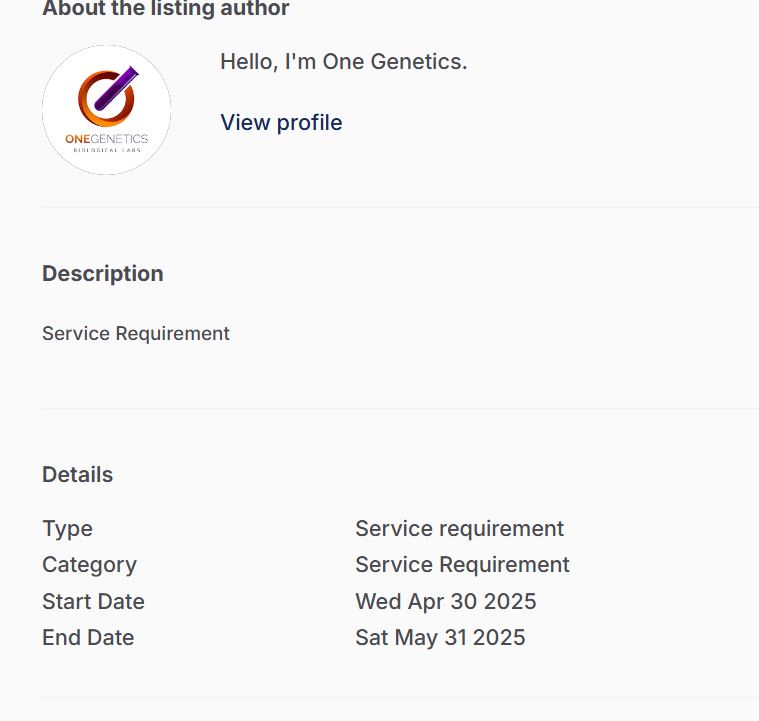
The Hourly Booking Availability Listing allows companies or individuals with available resources to showcase their talent by the hour. This feature helps transform unused capacity into revenue-generating opportunities. Users can list skilled personnel along with their hourly rates, available time slots, and areas of expertise. Clients needing quick support for short tasks or project-specific work can instantly find suitable providers. This listing format supports real-time resourcing and eliminates delays associated with traditional hiring processes.
3. Hourly Booking Requirement Listing for Reverse Marketplace
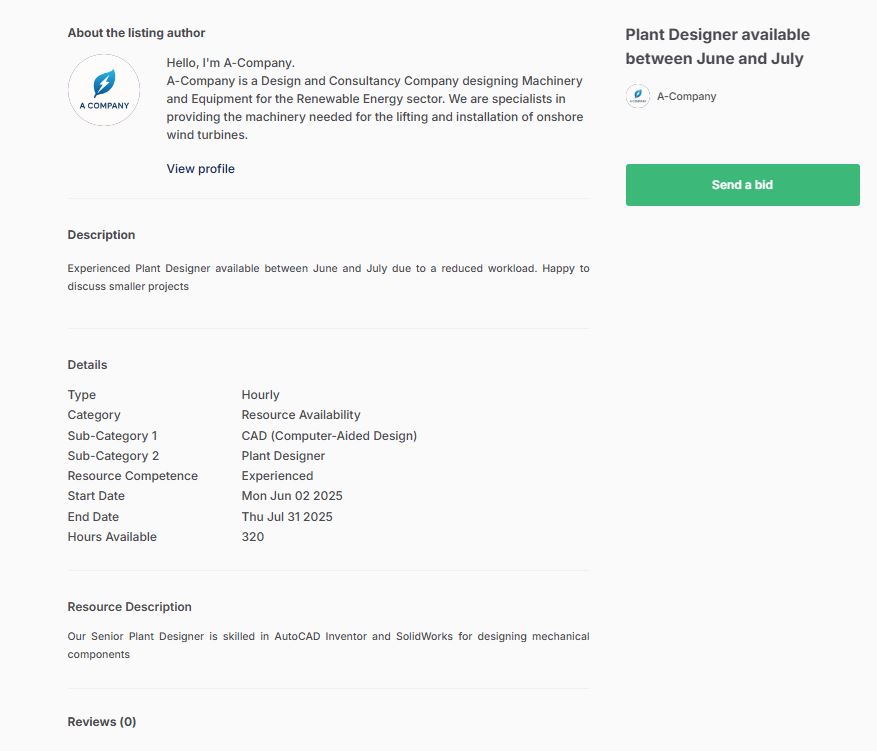
The Reverse Marketplace is one of the most powerful features of Resourced. Instead of only browsing available providers, companies with immediate needs can post their Hourly Booking Requirements, specifying the skills they require, duration, timeline, and estimated budget. Service providers can then respond with their available resources. This turns the hiring process on its head by empowering clients to announce their needs and receive incoming proposals, significantly reducing time spent searching for professionals.
4. Service Requirement Listing for Reverse Marketplace
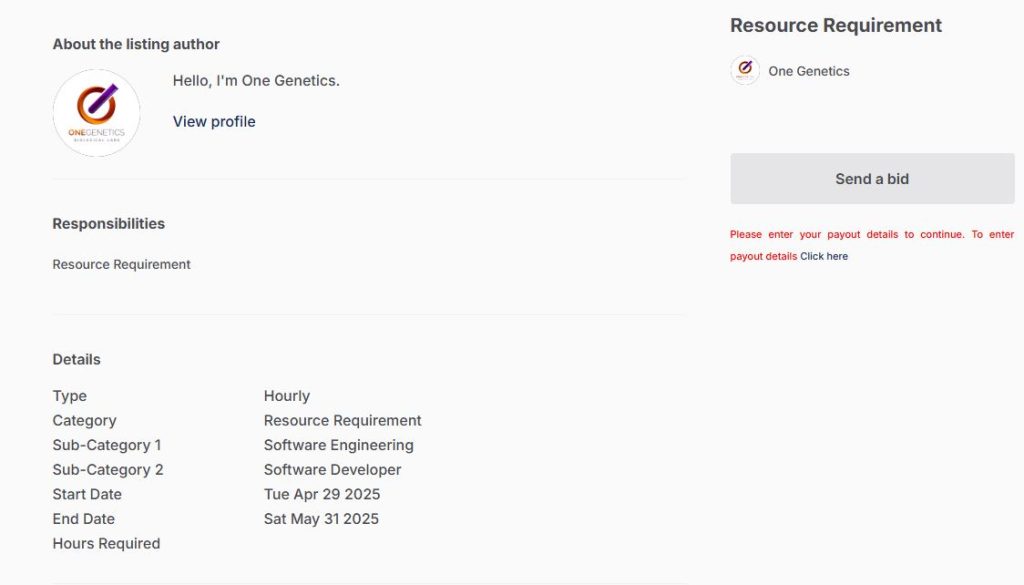
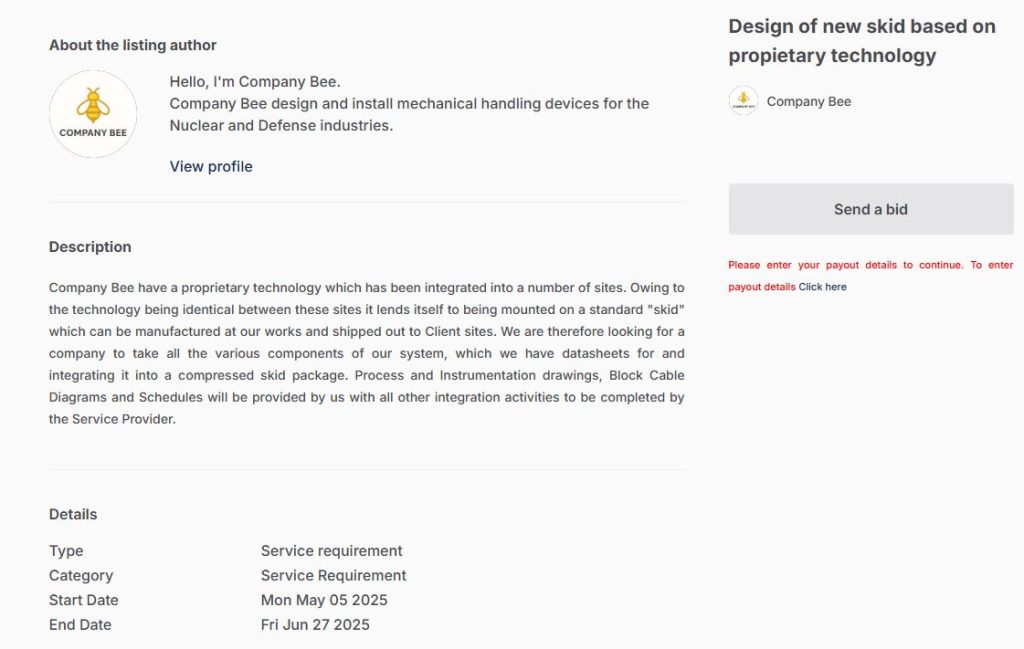
Beyond hourly work, Resourced also supports Service Requirement Listings for project-based or task-driven needs. Clients can list complete service requirements, such as engineering design, project management support, compliance audits, documentation, or consulting tasks. These listings attract specialized service providers who can deliver full solutions rather than single-hour assignments. This feature expands the marketplace’s functionality from simple staffing to end-to-end service delivery.
5. Bid Form for Service Requirement
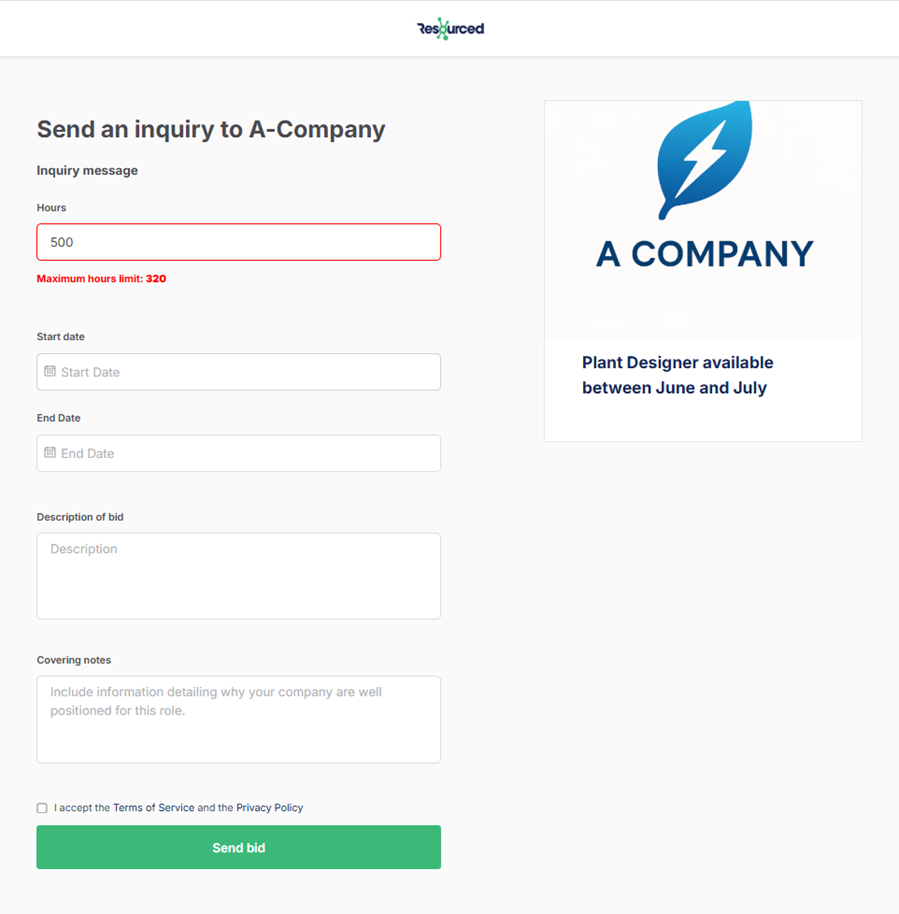
Once a service requirement is posted, providers can use the Bid Form to submit structured proposals. This includes pricing details, timeline estimates, project approach, deliverables, and any supporting documents such as previous work samples or technical methodology. The standardized format ensures all bids are easy to compare, allowing clients to evaluate options clearly. This transparency encourages healthy competition, ensures fairness, and helps clients select the best-fit proposal without confusion.
6. Clients Accepting Resources
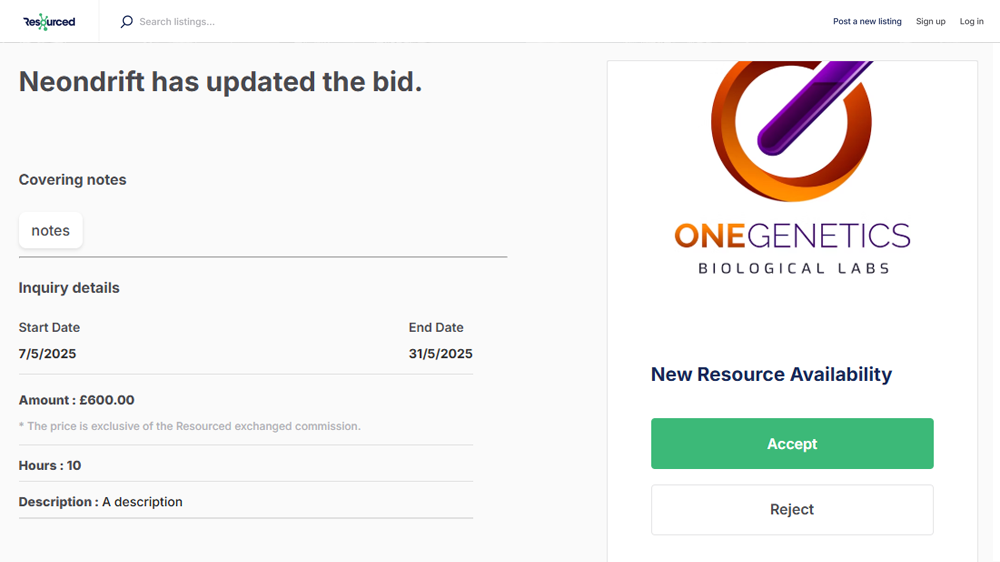
When a service provider submits an offer—whether for an hourly listing or a service requirement—the client can review the proposal and accept it directly through the platform. Acceptance is based on criteria such as skill relevance, pricing, delivery timeline, feedback ratings, or previous experience. This streamlined process eliminates the long discussions and paperwork typically required for contract initiation. With one click, clients can secure the talent they need and begin the engagement immediately.
7. Service Providers Accepting Requirements
Service Providers are not limited to waiting for inquiries—they can actively browse posted requirements and decide whether to participate. This feature allows providers to take initiative, evaluate opportunities based on their strengths, and respond with bids or availability confirmations. Accepting requirements helps service providers fill their schedules, improve utilization, and grow revenue by choosing relevant and profitable projects. It also encourages a balanced and dynamic flow of opportunities within the platform.
8. Request/Bid Dashboard for Clients
To help clients stay organized, the platform includes a dedicated Request/Bid Dashboard. This dashboard consolidates all incoming offers, ongoing negotiations, submitted requirements, and bidding activities in one place. Clients can monitor the status of each requirement, compare providers, and track pending decisions. The dashboard brings visibility and clarity to the procurement process, ensuring no opportunity or submission is overlooked.
Recommended Blog: Spur Outdoors: Redefining Sustainable Shopping for Outdoor Enthusiasts
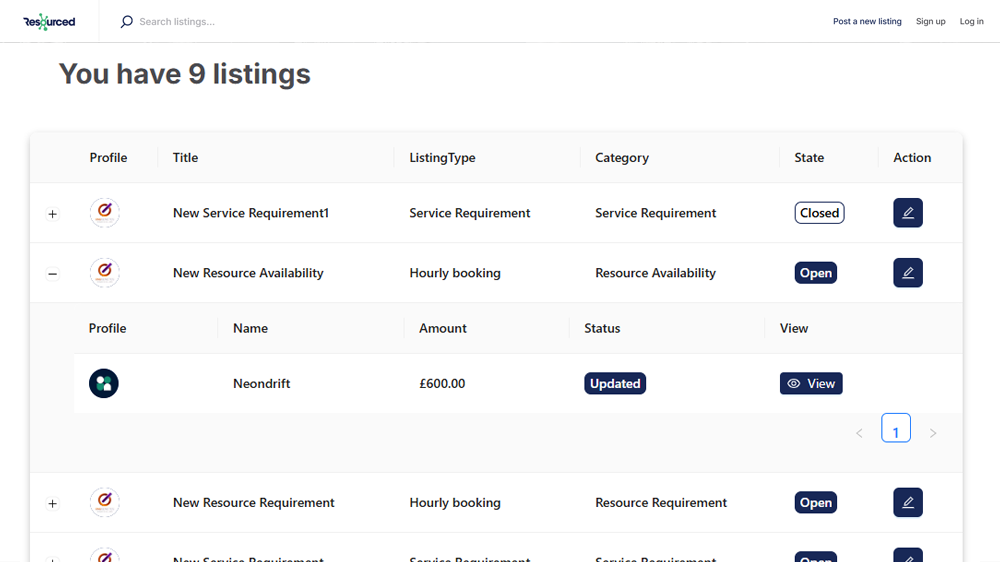
9. Request/Bid Dashboard for Service Providers
Service providers benefit from their own Request/Bid Dashboard, which centralizes all proposals they’ve submitted, responses received, active negotiations, and upcoming work commitments. This makes workload planning easier and ensures service providers never miss potential opportunities. The dashboard also supports strategic decision-making by showing which types of bids perform best, helping providers refine their approach to increase success rates.

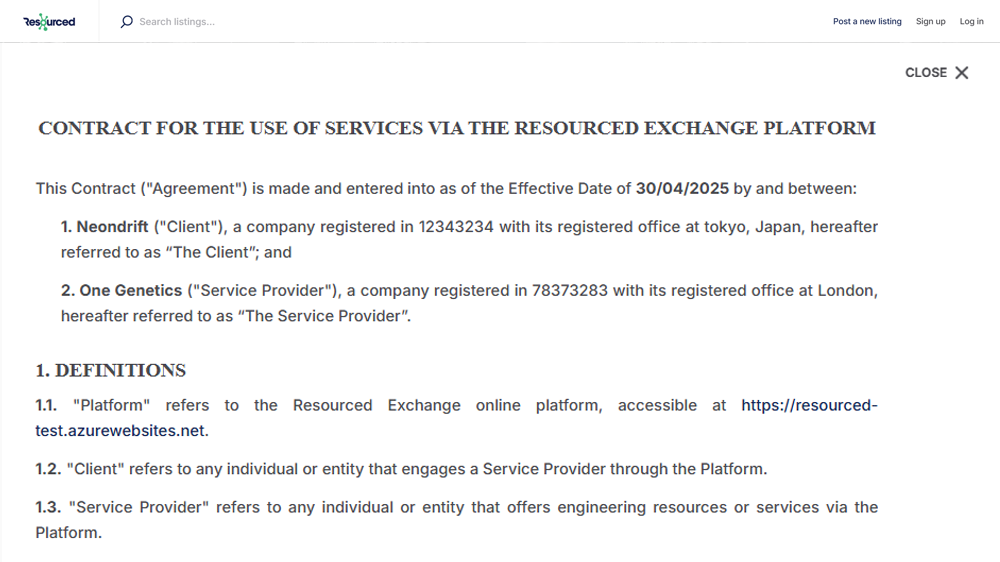
10. Transaction / Work Contract Between Client and Service Provider
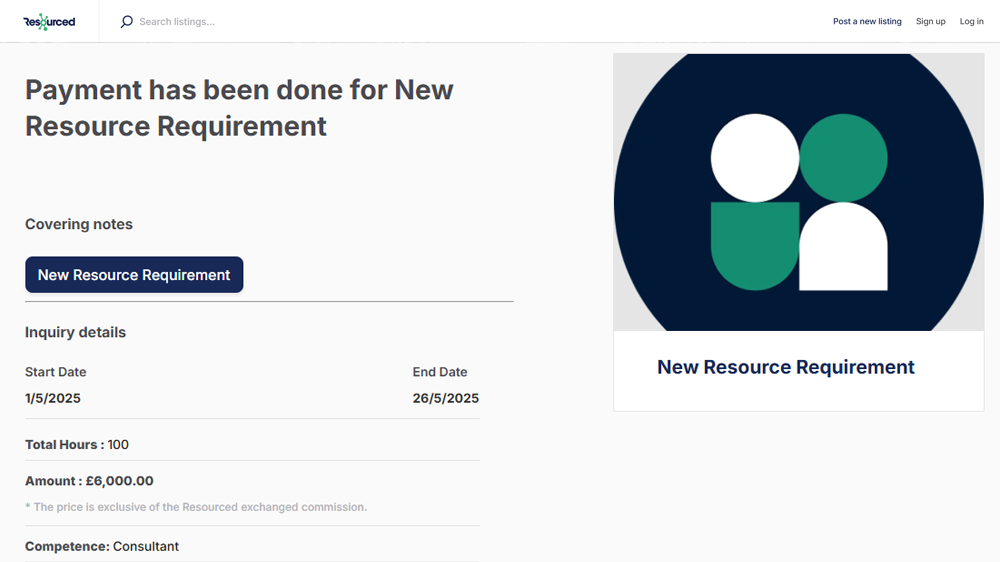
Once an offer is accepted, the system generates a formal Transaction or Work Contract outlining the terms of engagement. This includes scope of work, agreed rates, timelines, payment structure, deliverables, and responsibilities. By automating contract creation, Resourced reduces administrative overhead and ensures clear expectations on both sides. This standardization also protects both parties and facilitates smoother project execution.
11. Ongoing and Completed Contracts/Transaction Tracking
Resourced provides a dedicated interface to manage both ongoing and completed contracts.
Ongoing contracts include active hourly engagements or service projects, displaying current progress, upcoming milestones, and communication history. Completed contracts move into a summary section where users can review past performance, download records, revisit agreements, or analyze project outcomes. This comprehensive tracking system creates a transparent record of all interactions, supporting operational audits, invoicing, and performance evaluations.
Conclusion
Resourced addresses a longstanding challenge in the business world: the misalignment between resource demand and availability. By enabling organizations to post requirements, offer available talent, bid on projects, and establish formal contracts—all within a single platform—Resourced creates a balanced and efficient ecosystem for both clients and service providers. Whether you’re looking to deploy skilled professionals or secure the expertise you need for an upcoming project, Resourced is designed to simplify and strengthen the way you work.