


Introduction
The rapid rise of artificial intelligence has sparked excitement, curiosity, and—understandably—concern among marketplace sellers. Many fear that automation will eventually replace human effort, creativity, and decision-making. But the reality is far more empowering. AI is not here to take over the marketplace; it is here to strengthen it. When designed thoughtfully, AI acts as a powerful collaborator—helping sellers save time, improve accuracy, understand their customers better, and make smarter business decisions.
In modern digital marketplaces, AI has evolved into a strategic partner that amplifies human capabilities rather than competing with them. It handles repetitive tasks, analyses vast amounts of data, and offers insights that sellers can use to elevate their product offerings, pricing strategies, and customer experiences. Instead of diminishing the seller’s role, AI enhances it—enabling individuals and businesses to operate more efficiently, stay competitive, and focus on what truly matters: creativity, relationship-building, and delivering exceptional value.
What AI Agents Actually Do?
AI agents are not “digital workers” replacing humans—they are intelligent assistants designed to handle tasks that are repetitive, data-heavy, or time-consuming, so sellers can focus on strategy and creativity. In a marketplace environment, AI agents perform functions that streamline operations, reduce manual effort, and improve decision-making.
AI agents analyse huge amounts of data—buyer behaviour, product performance, pricing trends, seasonality, and search patterns—to generate insights that sellers would never have time to uncover manually. For example, an AI agent can identify which products are rising in demand, alert sellers to optimise inventory, or recommend ideal pricing based on competitor activity. Instead of guessing, sellers get guidance that helps them make confident, informed decisions.
AI agents help sellers scale. By assisting with analytics, content creation, customer interaction, marketing insights, and workflow automation, AI enables a solo entrepreneur or small team to operate with the efficiency of a much larger organisation. Instead of replacing human roles, AI agents extend human capability—acting as smart, always-available partners that help sellers grow faster with less effort.
In What Ways Do AI Agents Enhance Marketplace Operations?
1. AI Enhances Seller Productivity, Not Their Role
AI automates labor-heavy tasks so sellers can spend their time on higher-value work that requires human insight, creativity, and relationship building. Instead of manually writing descriptions, resizing images, checking analytics, or responding to repetitive inquiries, AI tools handle these tasks instantly. For example, sellers can use AI-powered content generators that create polished product descriptions in seconds, or image optimization tools that enhance photos automatically for higher conversions.
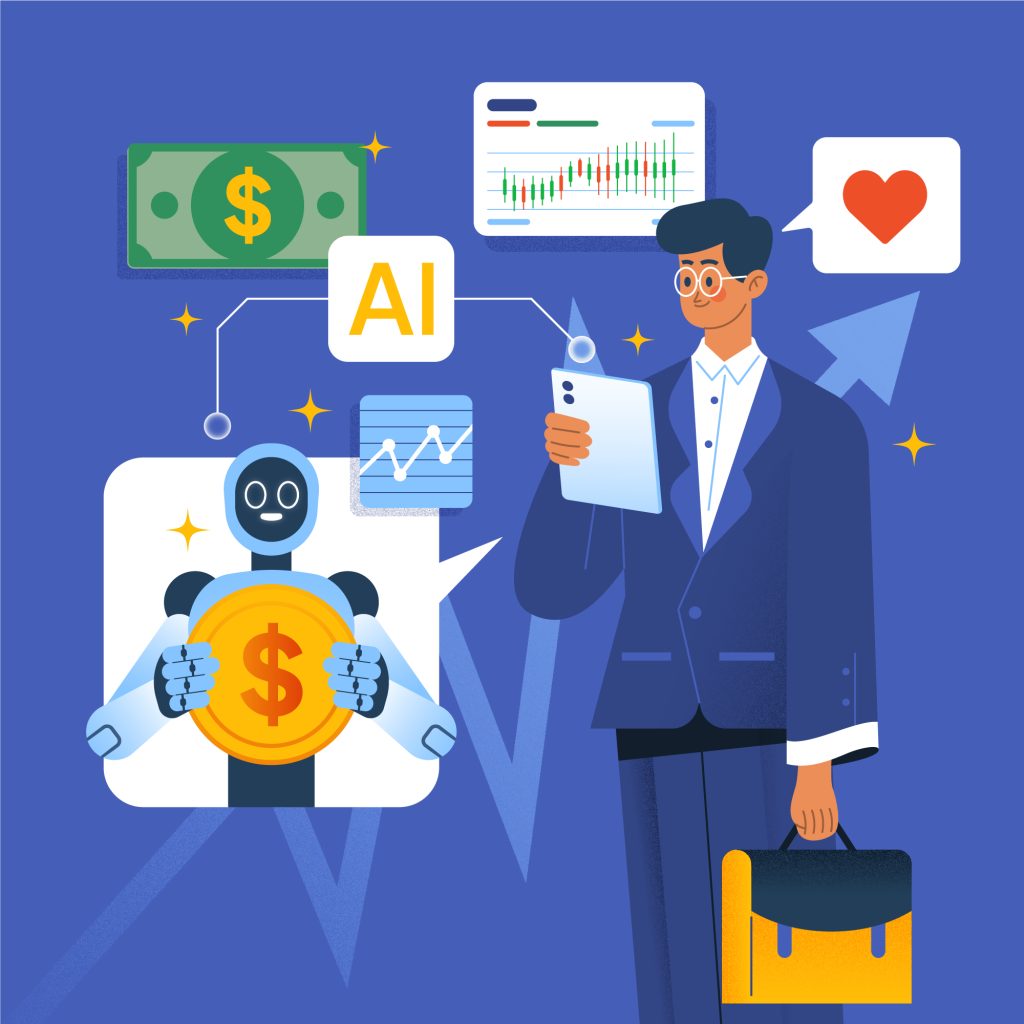
On an inventory level, AI can auto-tag products with relevant keywords so they appear in more search results. This type of automation doesn’t replace sellers—it frees them from operational burdens so they can focus on sourcing better products, improving service quality, and scaling their business.
2. AI Helps Sellers Reach More Customers Through Smart Discovery
One of the toughest barriers in marketplaces is visibility—getting your product in front of the right audience. AI revolutionizes discovery by understanding what buyers want before they even search for it. Machine learning models analyze browsing patterns, past purchases, location, demographics, and even micro-signals like time spent on a category page. Using this data, AI platforms surface relevant products to the right buyers automatically.

For example, if a customer frequently browses hiking gear, AI will recommend backpacks and outdoor wear—even from new sellers they haven’t seen before. This gives small businesses the visibility that previously required huge marketing budgets. Platforms like Amazon, Etsy, and Airbnb use similar algorithms to boost discovery, helping talented sellers reach customers at a scale previously impossible.
3. Pricing and Inventory Optimization Keeps Sellers Competitive
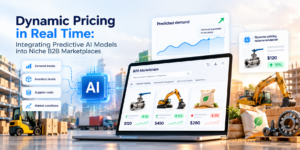
In fast-moving markets, pricing and stock levels can change rapidly. AI-powered dynamic pricing tools monitor competitor prices, seasonal trends, demand fluctuations, and even global supply chain changes. This allows sellers to maintain optimal pricing without constant manual intervention. For example, during festival seasons, AI may recommend a slight price increase for in-demand products, while during slow periods it may recommend promotional pricing to increase conversion.

On the inventory side, AI can predict when certain items will run out or identify slow-moving stock that may need discounts. Imagine a fashion seller who typically struggles to know how much winter stock to order—AI can analyze past years, local temperatures, and style trends to recommend optimal quantities. These insights help sellers reduce losses, avoid overstocking, and maintain steady profitability.
4. AI-Driven Insights Support Better Business Decisions
Many sellers rely on intuition when making business decisions, which can lead to costly mistakes. AI eliminates guesswork by turning raw data into actionable insights. AI dashboards can reveal which products are trending, which listings are underperforming, what customers are searching for, and which marketing channels deliver the best ROI. For example, an AI tool may show a stationary seller that pastel-themed notebooks are trending among high school students, prompting them to increase related inventory.
Similarly, a service marketplace could use AI insights to show providers which services are in highest demand—helping them adjust their offerings. By making data accessible and easy to understand, AI helps sellers plan smarter, market smarter, and grow with greater confidence.
5. AI Enhances Customer Service—But Human Connection Still Wins
AI can handle routine interactions—such as tracking updates, FAQs, or product availability—through chatbots, voice assistants, and automated messaging systems. This ensures customers get immediate responses, even outside business hours, improving their experience. However, when situations require empathy, conflict resolution, or nuanced product advice, the human seller steps in.

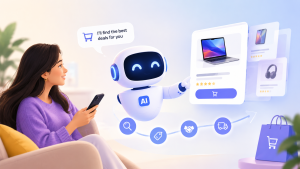
For example, AI might help a customer choose the ideal laptop based on specifications, but only a human can understand emotional needs like “I need something reliable for my daughter who’s starting college.” In service marketplaces, AI can schedule appointments, but negotiation, customization, and relationship-building remain uniquely human strengths. AI speeds up service, but human sellers hold the emotional and relational advantage.
6. AI Creates Fairer Opportunities for Small and New Sellers
AI democratizes success by giving small sellers access to tools that were once affordable only for large enterprises. Automated SEO, image enhancements, keyword suggestions, listing audits, fraud detection, and performance scoring allow sellers with no technical knowledge to compete at the same level as experienced merchants.
For instance, a first-time seller of home decor might struggle with photography settings or keyword strategies. AI tools can enhance their images, auto-generate searchable titles, and suggest trending keywords. On platforms like Etsy and eBay, many new sellers gain rapid traction because AI-based recommendation engines highlight unique or niche items. This levels the playing field, making marketplaces more inclusive.
7. AI Helps Improve Product Quality and Safety
AI tools can analyze listings to detect inconsistencies, missing safety information, or misleading claims before the product goes live—preventing disputes, returns, and negative reviews.

For example, AI can scan a used power tool listing and flag missing details such as voltage or safety certification. In rental marketplaces, AI can identify photos that appear damaged or incomplete and recommend re-uploading higher-quality images. These quality checks protect buyers, reduce fraud, and boost seller reputation. By ensuring every listing meets platform standards, AI helps sellers appear more professional and trustworthy.
8. AI-Powered Automation Helps Sellers Scale Their Businesses Faster
Scaling a business usually requires more staff, more tools, and more processes—but AI removes much of that friction. Sellers can automate listing creation, manage multiple sales channels, sync inventory across platforms, and translate content into foreign languages—all without expanding their team.
For example, a vintage clothing seller could list 300 items with AI assistance instead of manually writing each description. AI translation tools can open their business to international buyers instantly. AI-driven bulk editing tools allow sellers to adjust prices, update categories, and refresh tags across hundreds of items with a single click. These efficiencies enable rapid growth, allowing sellers to operate like large businesses while staying lean.
9. Creative Decision-Making Still Belongs to Humans
No matter how advanced AI becomes, it cannot replicate human creativity, intuition, or story-driven branding. Sellers bring personality to their products—whether it’s a handmade craft, a curated collection, a customized service, or a unique design style.

AI may analyze trends and optimize operations, but only humans decide what products to create, how to package them, and how to build a brand identity. For example, a candle maker can use AI to identify trending scents, but the artistic blend, packaging aesthetic, and storytelling are born from human imagination. Creativity is irreplaceable, and sellers remain at the heart of every innovative idea.
10. AI and Humans Together Create the Future of Marketplaces
The future of marketplaces lies in combining human strengths with AI intelligence. When sellers leverage AI tools to automate repetitive tasks, personalize customer experiences, optimize listings, and analyze market trends, they achieve a level of efficiency and reach that was once unimaginable.

At the same time, sellers continue leading in areas where AI cannot compete—creativity, emotional understanding, craftsmanship, and relational trust. Together, humans and AI create a hybrid model that benefits everyone: faster operations, smarter decisions, more visibility, and better customer experiences. This synergy defines the next era of e-commerce.
Conclusion
AI-connected marketplaces are ushering in a new era where human expertise and machine intelligence work side by side—not in competition, but in harmony. Instead of replacing sellers, AI acts as a catalyst that amplifies their strengths, reduces their workload, and equips them with insights that once required teams of analysts and hours of manual effort. Sellers maintain full control over their creativity, customer relationships, and business decisions—while AI handles the heavy lifting behind the scenes.
The future belongs to those who understand that AI is not a threat but a tool of empowerment—a powerful ally helping sellers unlock new opportunities, enhance customer experiences, and build sustainable long-term success.
FAQ's
1. Will AI eventually replace human sellers in online marketplaces?
No. AI is designed to assist, not replace. It handles repetitive tasks, analyses data, and automates workflows so sellers can focus on strategy, creativity, and customer relationships—areas where human judgment is irreplaceable.
2. How can AI actually help sellers grow their business?
AI provides data-driven insights, automates time-consuming tasks, improves listing quality, predicts customer needs, and enhances communication. This enables sellers to respond faster, optimise pricing, understand demand trends, and increase conversion rates.
3. Do sellers need technical knowledge to use AI tools?
Not at all. Modern AI-equipped marketplaces are built with user-friendly interfaces. AI works in the background—suggesting actions, generating content, or automating processes—so sellers can benefit without needing any technical expertise.
4. Can AI improve customer experience on a marketplace?
Yes. AI can offer personalised recommendations, faster response times through smart message assistance, more relevant search results, and accurate service or product matching. This creates a smoother, more trustworthy experience for buyers.
5. Is AI safe to use in marketplaces, especially for small businesses?
Absolutely. AI is designed to operate within strict privacy, security, and ethical guidelines. It doesn’t replace seller decisions; it provides insights and tools to support them. Small businesses particularly benefit because AI helps them operate with efficiency similar to larger organisations.