
Introduction
The idea of a marketplace has always been simple at its core, connect buyers and sellers, enable transactions, and create value through exchange. But as technology has evolved, so too has the role of marketplaces. What began as static listing platforms has transformed into dynamic, user-centric ecosystems powered by data, automation, and seamless digital experiences. Now, as we look ahead to 2030, we stand on the brink of the next major shift, one driven not just by digital innovation, but by the rapid advancement of Artificial Intelligence.
The marketplaces of the future will not merely respond to user actions; they will anticipate needs, make intelligent decisions, and actively participate in the transaction process. AI will blur the lines between platform and assistant, turning marketplaces into proactive systems that understand context, personalize experiences at scale, and optimize outcomes for both buyers and sellers. This evolution signals a move away from manual discovery and transactional friction toward a world where interactions are intuitive, automated, and deeply interconnected.
In this forward-looking exploration, we imagine what the AI-connected marketplace of 2030 will look like, how it will function, how it will feel to users, and how it will redefine trust, efficiency, and value creation. From intent-driven discovery to autonomous transactions and self-evolving systems, the future marketplace is not just smarter, it is fundamentally reimagined.
Essential Components of the 2030 Marketplace Ecosystem
1. From Search to Intent: The End of Traditional Discovery
By 2030, the concept of browsing through listings or refining filters will feel outdated. Instead of manually searching, users will communicate their needs in natural, contextual ways, and AI systems will interpret those needs with remarkable precision. This shift from keyword-based search to intent-driven discovery will allow marketplaces to understand not just what users say, but what they actually mean. AI will combine contextual data such as location, past behavior, timing, and even subtle preferences to deliver highly relevant outcomes.
Rather than presenting dozens of options, marketplaces will narrow choices down to a few high-confidence matches, reducing cognitive overload and accelerating decision-making. This evolution transforms the marketplace into a decision-making partner, not just a directory of options.

2. Hyper-Personalization at an Individual Level
Personalization will move far beyond demographic segmentation and enter the realm of individual-level intelligence. Every user will have a dynamic digital profile, often referred to as a “digital twin,” that evolves continuously based on interactions, preferences, and behavior patterns. This means the marketplace interface itself will adapt in real time: the way listings are displayed, the types of recommendations shown, and even the tone of communication will differ from one user to another.
Pricing, promotions, and availability will also become context-sensitive, reflecting a user’s urgency, loyalty, and historical behavior. Over time, users will feel as though the marketplace is uniquely designed just for them, creating deeper engagement, higher satisfaction, and stronger long-term loyalty.
3. Autonomous Transactions and AI Negotiation
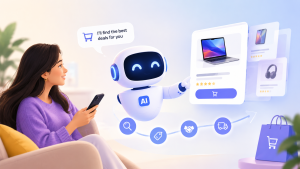
One of the most groundbreaking changes will be the emergence of AI agents that act on behalf of users. These agents will not only assist but actively execute transactions, from comparing options to negotiating prices and finalizing deals. For example, a user’s AI agent could analyze multiple providers, assess reputation scores, negotiate favorable terms, and complete a booking—all without manual intervention.
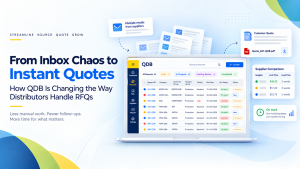
On the provider side, AI assistants will handle inquiries, optimize pricing in real time, and manage operations efficiently. This level of automation will significantly reduce friction, eliminate delays, and create a smoother transaction flow. Humans will still play a role, but primarily in decision validation and exception handling, while AI manages the heavy lifting.
4. Trust, Verification, and AI-Driven Reputation Systems
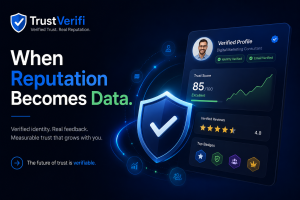
Trust systems in marketplaces will undergo a major transformation, moving beyond simple ratings and reviews to multi-dimensional, AI-driven reputation frameworks. Instead of relying solely on user feedback, AI will analyze behavioral patterns, transaction histories, response times, and consistency to generate more accurate trust scores. Fraud detection will become proactive, identifying suspicious activity in real time before it impacts users. Digital identities will be verified through secure, decentralized systems, ensuring authenticity across the platform.
Users will no longer need to sift through hundreds of reviews; instead, they will receive clear, AI-generated trust summaries that highlight reliability, risk factors, and compatibility. This shift will make trust more predictive, transparent, and actionable.

5. Conversational Marketplaces: The Rise of AI Interfaces
The interface of marketplaces will evolve from static pages to dynamic, conversational experiences powered by AI. Users will interact with platforms through chat, voice, or embedded AI copilots that guide them throughout their journey. These conversational interfaces will not only respond to queries but also ask intelligent follow-up questions to refine user intent. For instance, planning a trip or hiring a service provider will feel like having a conversation with a knowledgeable assistant rather than navigating a website. This approach reduces friction, simplifies complex decisions, and creates a more human-like interaction. Over time, conversational AI will become the primary interface layer, making marketplaces more intuitive, accessible, and efficient.
Example:
Imagine a user opens a travel marketplace and simply types, “I want a relaxing 3-day getaway under ₹15,000 next weekend.” Instead of showing generic listings, the AI responds:
- “Do you prefer beaches, mountains, or city experiences?”
- “Are you traveling solo or with family?”
Based on the responses, the AI curates a shortlist of personalized options, highlights the best deals, and even suggests itineraries. It can then proceed to book accommodations, arrange transportation, and sync the plan with the user’s calendar all within the same conversation.
Similarly, in a service marketplace, a user might say, “I need a logo designer for a modern fashion brand.” The AI would ask clarifying questions about style, budget, and timeline, then recommend the most suitable designers, show portfolios, and even initiate conversations making the entire hiring process seamless and efficient.
6. Dynamic Pricing and Intelligent Supply-Demand Balancing
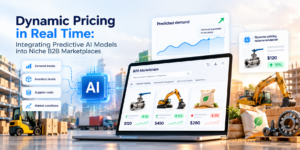
AI will enable marketplaces to achieve a highly optimized balance between supply and demand through real-time data analysis and predictive modeling. Pricing will no longer be static; it will adjust dynamically based on factors such as demand fluctuations, seasonal trends, user behavior, and market conditions. Providers will receive AI-driven recommendations on how to price their offerings for maximum utilization and profitability, while buyers will benefit from fair and competitive pricing.
Additionally, AI will help forecast demand patterns, allowing marketplaces to proactively address shortages or surpluses. This creates a self-regulating economic environment where efficiency is maximized, waste is minimized, and both buyers and sellers achieve better outcomes.

7. Seamless Integration Across Ecosystems
By 2030, marketplaces will not operate as standalone platforms but as integral components of a broader connected digital ecosystem. AI will enable seamless integration with tools such as calendars, financial apps, communication platforms, and even IoT devices. This means marketplace interactions will become embedded in users’ daily workflows for example, booking a service could automatically update a user’s schedule, trigger payment processes, and send reminders without any manual effort. Data will flow across systems to provide a unified and cohesive experience.
This shift is already underway. Today, 78% of enterprises have adopted AI in some form, with many integrating it directly into core business systems rather than using it as a separate tool . Additionally, AI assistants and platforms are rapidly becoming part of everyday digital ecosystems some tools process billions of interactions daily, indicating how deeply embedded AI-driven workflows are becoming . On a global level, roughly 1 in 6 people are already using AI tools regularly, showing how quickly integrated digital experiences are scaling across personal and professional environments .
As AI adoption continues to grow at this pace, the boundaries between platforms will disappear. Marketplaces will no longer feel like separate destinations instead, they will function as invisible yet indispensable infrastructure, seamlessly supporting everyday activities through deeply connected, intelligent systems.
8. Creator & Provider Empowerment Through AI
AI will play a crucial role in empowering providers, creators, and small businesses by giving them access to tools that were once only available to large enterprises. Providers will be able to generate high-quality listings, optimize pricing strategies, and communicate with customers using AI-driven assistance. Advanced analytics will offer insights into market trends, customer preferences, and performance metrics, enabling data-driven decision-making.
This democratization of technology will lower barriers to entry and encourage more participants to join the marketplace ecosystem. As a result, marketplaces will become more diverse, competitive, and innovative, benefiting both providers and consumers alike.

9. Ethical AI and Transparent Governance
As AI becomes deeply embedded in marketplace operations, the importance of ethical considerations and transparent governance will grow significantly. Marketplaces will need to ensure that their algorithms are fair, unbiased, and explainable. Users will demand greater control over their data, including how it is collected, used, and shared. Transparency in decision-making processes such as pricing, recommendations, and trust scores, will be essential to building and maintaining user trust.
Regulatory frameworks will also evolve to address these challenges, requiring marketplaces to adhere to strict standards of accountability. Those that prioritize ethical AI practices will not only comply with regulations but also gain a competitive edge through trust and credibility.
10. The Rise of Self-Evolving Marketplaces
Perhaps the most defining characteristic of the AI-connected marketplace of 2030 will be its ability to continuously evolve on its own. These platforms will leverage machine learning to analyze user behavior, transaction outcomes, and market trends, enabling them to make real-time improvements without human intervention. Features, user flows, and algorithms will be constantly tested and optimized to enhance performance and user satisfaction.
This creates a marketplace that is not static but constantly learning and adapting, ensuring it remains relevant in a rapidly changing environment. Over time, these self-evolving systems will become more efficient, intuitive, and aligned with user needs, setting a new standard for digital platforms.
Conclusion: A New Era of Intelligent Marketplaces
The marketplace of 2030 will be defined by intelligence, automation, and seamless integration. It will move beyond being a simple platform for transactions to become a proactive, personalized, and deeply interconnected ecosystem. Every interaction will be guided by AI, every decision supported by data, and every experience tailored to the individual.
For businesses and marketplace builders, this future presents both an opportunity and a challenge. Success will depend on the ability to embrace AI not as an add-on, but as a core foundation for innovation and growth. Those who invest in building intelligent, user-centric ecosystems today will be the ones who lead the marketplace revolution of tomorrow.
FAQ's
1. What is an AI-connected marketplace?
An AI-connected marketplace is a next-generation platform where artificial intelligence is deeply integrated into every aspect of the user journey—from discovery and personalization to transactions and trust. Unlike traditional marketplaces, it actively understands user intent, automates processes, and continuously optimizes experiences for both buyers and sellers.
2. How will AI improve user experience in marketplaces by 2030?
AI will significantly enhance user experience by enabling intent-based search, real-time personalization, and conversational interactions. Users will no longer need to manually browse or compare options—AI will anticipate their needs, recommend the best matches, and even assist in completing transactions, making the entire process faster and more intuitive.
3. Will AI replace human involvement in marketplace transactions?
AI will automate many repetitive and operational tasks such as search, negotiation, and booking, but it will not completely replace humans. Instead, human involvement will shift toward decision-making, oversight, and handling complex or sensitive scenarios where judgment and trust are critical.
4. How will trust and safety be managed in AI-driven marketplaces?
Trust and safety will be enhanced through AI-powered verification systems, behavioral reputation scores, and real-time fraud detection. Marketplaces will rely on predictive trust models rather than just reviews, ensuring safer and more reliable transactions for users.
5. What challenges do AI-connected marketplaces face?
Some key challenges include ensuring data privacy, avoiding algorithmic bias, maintaining transparency in AI decisions, and complying with evolving regulations. Building ethical and explainable AI systems will be essential for gaining user trust and ensuring long-term success.